
 Spring in Nashville brings warm temperatures, blooming redbuds, and a steady raindrop drumbeat on residential rooftops. For Middle Tennessee homeowners, that rainfall is both a gift and a challenge. Nashville averages approximately 47 inches of rain per year (slightly above the national average), with spring and winter consistently delivering the heaviest totals. On a well-designed property, that precipitation feeds lush, thriving landscapes. A poorly managed one overwhelms drainage systems, erodes soil, floods low-lying beds, and carries pollutants directly into the Cumberland River and its tributaries.
At Landscape Solutions, we believe every inch of rain on your property is a resource that, with the right ecological design, can be captured, filtered, and transformed into a landscape asset rather than a liability. The most elegant and effective tool for achieving that transformation? The rain garden.
What Are Rain Gardens, and Why Does Nashville Need Them
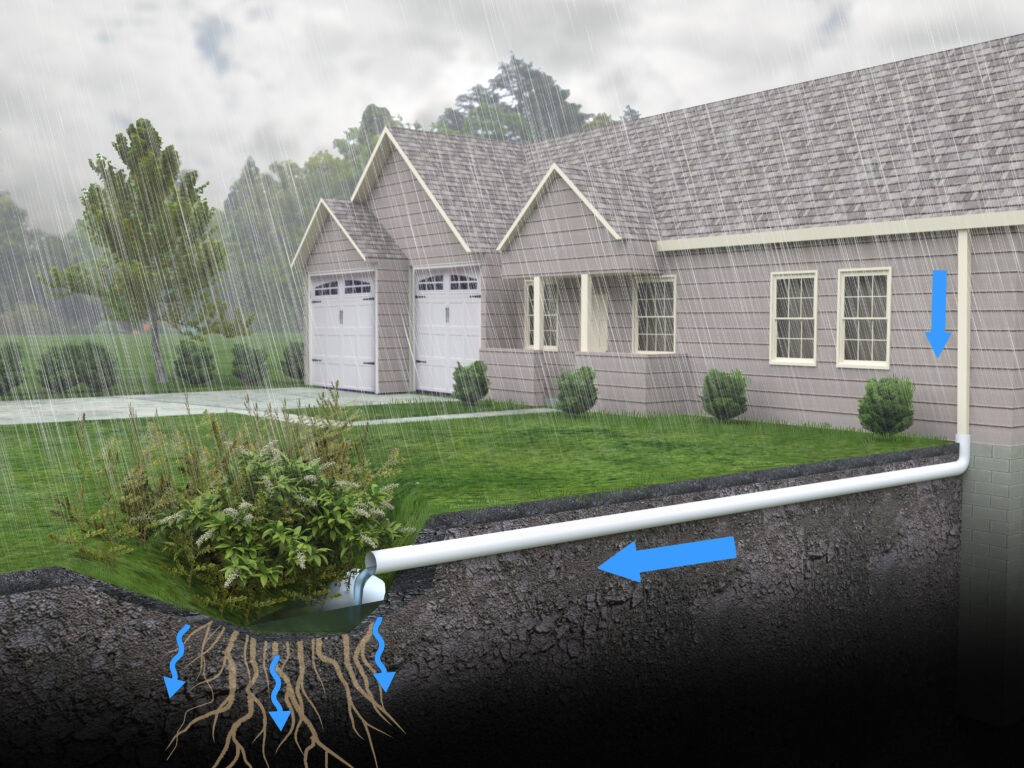
Before understanding their value, it helps to answer the question: What are rain gardens? A rain garden is a shallow landscaped depression (typically six to twelve inches deep) designed to collect stormwater runoff from surfaces such as rooftops, driveways, and walkways, allowing it to slowly infiltrate into the ground. Filled with an engineered soil mix of sand, compost, and native plantings, rain gardens don’t hold water like a pond or a traditional garden bed. Instead, they absorb and filter it within 24 to 48 hours, returning clean water to the underground water table rather than sending polluted runoff into storm drains.
Nashville’s combination of heavy clay soils and increasingly intense rainfall events makes this particularly important. Clay soils are notoriously resistant to infiltration, meaning runoff moves fast across the surface, picking up oils, heavy metals, nitrogen, phosphorus, and sediment as it goes. That cocktail of urban pollutants ultimately ends up in local streams and the Cumberland River, unless we intercept it first.
The Role of Bioswales in a Complete Stormwater Strategy
If you’ve started looking into Nashville rain gardens, there’s a good chance you’ve come across the term ‘bioswale.’ A rain garden is made to manage localized runoff from a single downspout or small impervious area. But when dealing with larger volumes of water moving across a property, such as a long driveway, an expansive patio, or a sloped lawn, a more strategic solution is needed. That’s where bioswales come in.
A bioswale is an engineered, vegetated channel designed to collect, convey, and treat high volumes of stormwater as it moves along a controlled path. Unlike a standard rain garden, which functions as a point of absorption, a bioswale acts as a linear green corridor that guides water across your property while simultaneously filtering it through native plantings and engineered soil. As water flows through, the soil and root systems remove pollutants and sediment before the water reaches a rain garden, a stream, or the groundwater below.
At Landscape Solutions, we frequently design bioswales in combination with rain gardens to create integrated, site-specific stormwater systems that manage excessive rainfall holistically. These channels are as functional as they are beautiful, which is exactly the kind of dual-purpose design solution that defines our ecological philosophy.
Choosing the Best Plants for Rain Gardens in Middle Tennessee
The ideal plants for rain gardens in our Nashville and Middle Tennessee area must be highly adaptable and able to tolerate both temporary flooding and dry, drought-like conditions during summer. Native species are far and away the best candidates, as they have evolved precisely for Middle Tennessee’s climate, soil, and seasonal changes.
At the base of the garden, where water pools longest, we favor plants that thrive in standing water. Here are some examples:
- Cardinal Flower—Stunning red-bloomed perennial that attracts hummingbirds.
- Blue Flag Iris—Ideal for low-lying wet areas.
- Marsh Marigold—Thrives in wet, heavy clay; blooms early; and provides vital nectar for pollinators.
- Palm Sedge—Thrives in wet conditions and offers a lush look with leaves that resemble small palm trees.
- Brown Fox Sedge—Another highly adaptable plant that’s perfect for handling rapid moisture fluctuations, improving water quality, and supporting local biodiversity.
In the middle zone of the garden, where conditions alternate between wet and dry, we transition to more adaptable species, such as:
- Swamp Milkweed, which tolerates temporary flooding, is a critical host for Monarch caterpillars and attracts pollinators with fragrant pink flowers.
- Purple Coneflower, a Tennessee native that thrives in fluctuating moisture conditions, has a deep taproot that helps aerate and break up compacted soil, and attracts butterflies, bees, and hummingbirds.
Shrubbery we recommend for the middle and top zones of your rain garden includes the American Beautyberry, Oakleaf Hydrangea, Spicebush, Red Twig Dogwood, and Arrowwood Viburnum (a great choice for drier spots in the top zone of your rain garden).
When planning and designing your garden, our team works closely with you to discuss your options and help you make the best choices, ensuring your new addition enhances and elevates a cohesive outdoor living design.
The Benefits of Rain Gardens Go Beyond Flood Control
When you decide to integrate a rain garden into your landscape design, you’re adding a feature that is ecological, functional, and a good financial decision. Rain gardens mitigate costly water damage, increase property values, and improve both curb appeal and sustainability.
Here is a list of benefits your rain garden can deliver:
- Stormwater Management at the Source—A single well-designed rain garden can absorb up to 30% more water than a conventional lawn of the same size.
- Natural Water Filtration—As stormwater percolates through the engineered soil and root systems of your rain garden, contaminants are captured and biodegraded.
- Groundwater Recharge and Stream Health—Nashville’s small streams rely on groundwater to maintain flow during the dry summer months. By replenishing groundwater, rain gardens help restore a steady, natural seepage of cool, filtered water into local streams, supporting aquatic ecosystems and maintaining healthier stream flows during dry weather.
- Biodiversity and Ecological Habitat—A densely planted rain garden becomes a thriving microhabitat that provides nectar, seeds, shelter, and nesting material year-round for pollinators, songbirds, and beneficial insects. It hums with life from early spring through late fall.
- Low Maintenance After Establishment—Unlike imported ornamental plantings that require frequent watering, fertilizing, and pest management, native rain garden plants are self-sufficient once established. Our landscaping experts have the skills to nurture your rain garden as it continues to establish itself on your property, until its root systems can access moisture and nutrients independently.
Do Rain Gardens Increase Property Value?
The short answer? Absolutely.
Research by the Center for Neighborhood Technology, working with SB Friedman Development Advisors, analyzed the impact of green stormwater infrastructure (including rain gardens) on property sales data across multiple cities and found that homes located near these installations had statistically higher sale prices. The average increase in home values ranges between 0.28% and 0.78%.
Standing water and soil erosion can raise buyer apprehension and potentially reduce offers. A property with a professionally designed stormwater management system in place signals to buyers that the home has been well-maintained. A beautiful rain garden also gives your property a distinct, sophisticated character, setting it apart at a time when buyers are increasingly drawn to sustainability and ecological authenticity.
Creating Your Rain Garden: From Vision to Reality
Designing and installing a rain garden system that performs and looks exceptional requires far more than digging a depression and adding plants. It demands a thorough site assessment, a detailed understanding of soil structure and drainage patterns, engineering precision in grading and soil specification, and horticultural expertise in selecting and establishing the right native plants for each specific microenvironment.
As a full-service design-build firm, Landscape Solutions handles every phase of this process. Our team of over 25 professionals includes design experts, craftsmen, horticulturists, and a single point of contact that ensures your project aligns precisely with your goals and is executed to the highest standard.
Ready to turn your spring rainfall into a landscape asset? Contact Landscape Solutions today to request a consultation, and let’s design a stunner of a rain garden.