
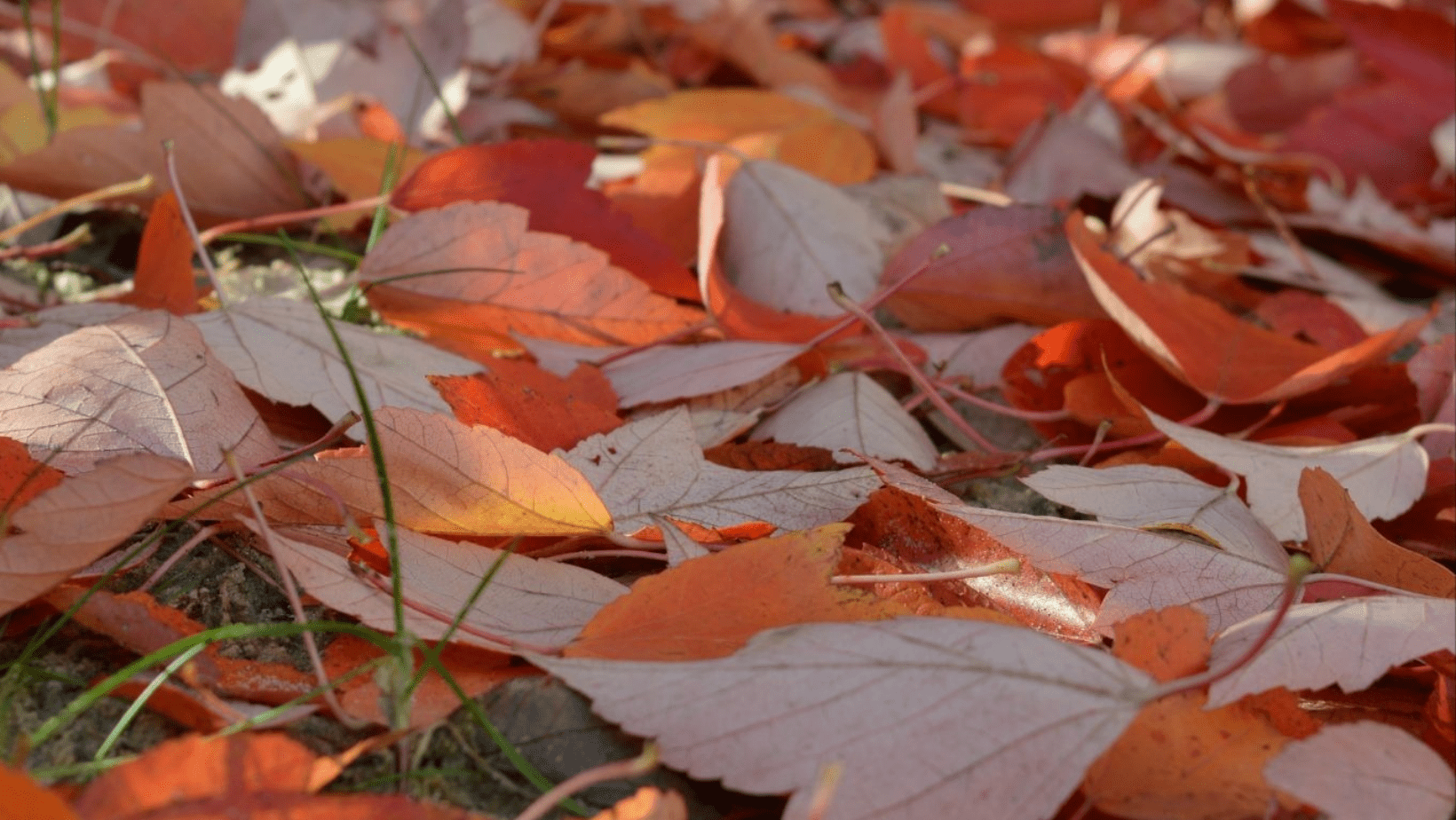
Fall arrives quickly in Middle Tennessee. Before the first leaves begin covering lawns, planting beds, patios, and walkways, late summer is an ideal time to take a closer look at your landscape and address the issues that have developed throughout the growing season.
For homeowners with established or high-end landscapes, preparing for fall is about more than simply clearing leaves. Overgrown plants, compacted soil, drainage issues, damaged hardscapes, and declining plant material can all become more difficult to address once cooler weather and falling leaves arrive.
At Landscape Solutions, we approach landscape care with the bigger picture in mind. Seasonal cleanup is an opportunity to evaluate how your property performed throughout the summer and make thoughtful adjustments that help protect its appearance and long-term performance.
Why Late Summer Is the Right Time to Prepare
By late summer, your landscape has experienced months of heat, storms, humidity, and active growth. This makes August and early fall a useful time to identify areas that need attention before seasonal changes begin.
A pre-fall landscape evaluation can help identify:
- Overgrown shrubs and trees
- Weeds that have spread throughout planting beds
- Damaged or declining plants
- Erosion from summer storms
- Drainage concerns
- Compacted or exposed soil
- Worn patios and walkways
Addressing these issues before leaves begin falling makes fall cleanup more manageable and gives your landscape a stronger foundation heading into winter.
It also allows homeowners to address larger concerns while they are still easy to see.
Clean Up Overgrown Planting Beds
Summer growth can dramatically change the appearance of planting beds. Shrubs, perennials, ornamental grasses, and groundcovers can quickly outgrow the spaces they were originally designed to occupy.
Overgrown planting areas can create several problems. Plants may begin crowding one another, pathways can become obstructed, and the original structure of the landscape may become difficult to see.
Before fall arrives, look for:
- Plants blocking walkways or entrances
- Shrubs growing into neighboring plants
- Overcrowded planting beds
- Weeds competing with established plants
- Dead or declining plant material
- Mulch that has been displaced by summer storms
A thoughtful cleanup should preserve the natural form and structure of established plants rather than simply cutting everything back.
In some cases, overgrowth is a sign that the original landscape has matured beyond its initial design. If planting beds consistently require extensive intervention, it may be worth considering whether the landscape needs a more comprehensive update.
Address Drainage Problems Before Fall Rain Arrives
Summer storms can reveal drainage issues that may not have been obvious earlier in the year. Water pooling in planting beds, soil washing away from slopes, or mulch repeatedly collecting in the same areas are all signs that water may not be moving properly through the property.
Before leaves begin falling, take a walk around your property after a significant rainfall and look for:
- Standing water
- Exposed roots
- Soil erosion
- Washed-out planting beds
- Muddy areas
- Water collecting near hardscapes
These problems should not simply be covered with fresh mulch or additional soil. If the same issue appears repeatedly, the underlying grading or drainage conditions may need to be evaluated.
Our landscape design process considers how water moves across the entire property. Addressing drainage as part of a larger landscape strategy can help protect planting beds, hardscapes, and outdoor living areas throughout the year.
Refresh Mulch and Protect Your Planting Beds
Mulch serves both practical and aesthetic purposes. It helps conserve soil moisture, moderate soil temperatures, reduce weed growth, and create a clean transition between planting areas and surrounding landscape features.
However, summer storms can wash mulch away from slopes and pathways, leaving some areas exposed while creating piles in other parts of the property.
Before fall, check whether your planting beds have:
- Uneven mulch coverage
- Exposed soil
- Washed-out areas
- Excessive mulch around plant trunks
- Weeds growing through the existing layer
A seasonal refresh can restore the clean, finished appearance of planting beds while providing protection as temperatures begin to change.
The key is applying mulch appropriately. Too little provides limited benefit, while excessive mulch can create problems for plant health.
Inspect Patios, Walkways, and Other Hardscape Features
Fall cleanup is also a good time to evaluate hardscape areas that receive heavy use throughout the summer.
Outdoor living spaces often see increased traffic during the warmer months, which can reveal issues that are easy to overlook during the rest of the year.
Look for:
- Uneven pavers
- Cracks or damaged surfaces
- Weeds growing between joints
- Water pooling on patios
- Soil movement along edges
- Damaged transitions between planting beds and hardscapes
These issues are worth addressing early. Small problems can become more difficult and expensive to correct if water continues moving beneath or around hardscape features.
Our outdoor living projects are designed with both aesthetics and long-term performance in mind. Proper preparation and drainage around patios and walkways help outdoor spaces remain functional through changing seasons.
Evaluate Plants That Struggled During Summer
Late summer provides valuable information about which plants are performing well on your property and which ones may not be suited to their location.
If certain plants consistently struggle during periods of heat or heavy rainfall, simply replacing them with the same type of plant may not solve the problem.
Consider whether the issue could be related to:
- Too much or too little sunlight
- Poor drainage
- Soil conditions
- Excessive competition from nearby plants
- Improper plant placement
- Lack of sufficient growing space
This is where thoughtful plant selection becomes particularly important. Native and climate-adapted plants can often provide better long-term performance when they are matched appropriately to the conditions of the site.
Fall is an excellent time to evaluate planting performance and begin thinking about changes that could improve the landscape in the following growing season.
Don’t Forget Areas That Are Easy to Overlook
A landscape cleanup should extend beyond the most visible parts of the property. Areas that receive less attention can still affect drainage, appearance, and overall landscape health.
As you prepare for fall, consider checking:
- Drainage areas and swales
- Sloped sections of the property
- Areas beneath mature trees
- Side yards and narrow passages
- Edges around retaining walls
- Transitions between lawn and planting beds
- Areas around outdoor living spaces
These locations can collect leaves, debris, and excess moisture once fall arrives. Addressing them beforehand makes seasonal maintenance much easier.
When a Cleanup Reveals a Bigger Landscape Problem
Sometimes seasonal cleanup reveals issues that cannot be solved with maintenance alone.
If your property requires repeated repairs or cleanup in the same areas, the problem may be related to the underlying design rather than the season.
Recurring issues can include:
- Persistent drainage problems
- Constantly overgrown planting beds
- Failing hardscapes
- Erosion on sloped properties
- Plants repeatedly dying in the same location
- Outdoor spaces that are difficult to use or maintain
When these problems continue year after year, a larger landscape renovation may make more sense than repeatedly patching individual areas.
A comprehensive landscape installation can address the relationship between planting design, grading, drainage, hardscapes, and outdoor living areas instead of treating each problem separately.
Prepare Now for a Healthier Landscape This Fall
Preparing your landscape before the leaves start falling gives you an opportunity to address small issues before they become seasonal maintenance headaches. It also provides a valuable look at how your property performed throughout the summer.
At Landscape Solutions, we believe seasonal landscape care should support the long-term health and design of your property. A well-maintained landscape is not simply about keeping things tidy. It is about protecting the investment you’ve made in your outdoor environment and making sure each part continues to perform as intended.
If your landscape needs more than a seasonal cleanup, we can also help identify opportunities to improve its design, functionality, and long-term performance.
Get Your Landscape Ready for Fall
Whether you need to address overgrown planting beds, drainage concerns, aging hardscapes, or larger landscape issues, now is a good time to take action before fall weather arrives.
Talk with Landscape Solutions about evaluating your property and creating a landscape plan that keeps your outdoor spaces beautiful, functional, and prepared for the seasons ahead.