
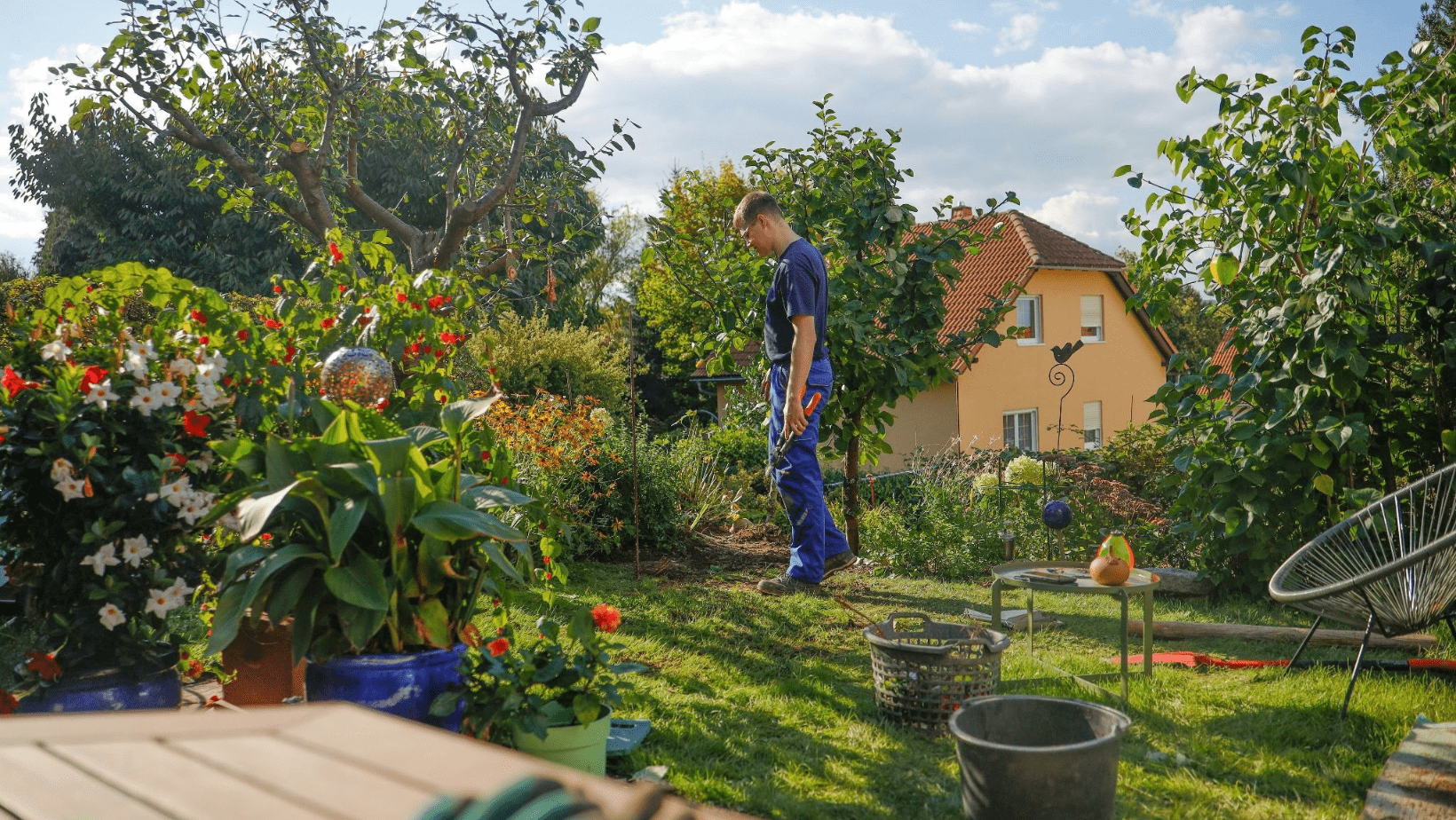
Many homeowners invest in low-maintenance landscaping Nashville designs because they want an outdoor space that feels beautiful, intentional, and manageable throughout the year. A well-designed landscape absolutely reduces unnecessary upkeep, but low-maintenance does not mean maintenance-free.
In Middle Tennessee, summer heat, humidity, storms, and rapid plant growth can still place significant stress on even the most thoughtfully designed landscapes. Luxury outdoor environments require ongoing attention to protect plant health, preserve hardscape materials, and maintain the overall appearance of the property.
At Landscape Solutions, we design landscapes that are built for long-term performance, but we also help homeowners understand how seasonal care impacts the longevity and functionality of those investments. Smart summer landscape maintenance Tennessee homeowners prioritize can make a major difference in how outdoor spaces age over time.
What “Low-Maintenance” Landscaping Actually Means
One of the biggest misconceptions in landscape design is the idea that low-maintenance landscapes require no seasonal attention at all. In reality, low-maintenance design simply means the landscape is planned strategically to reduce unnecessary labor, excessive watering, recurring replacements, and avoidable maintenance problems.
A properly designed low-maintenance landscape often includes:
- Native or climate-adapted plant selections
- Efficient drainage planning
- Durable hardscape materials
- Thoughtful grading and erosion control
- Intentional planting layouts
- Long-term irrigation considerations
The goal is not to eliminate maintenance completely. The goal is to create an outdoor environment that performs more efficiently while remaining visually cohesive throughout changing seasons.
This is especially important in custom landscape design projects where homeowners are investing in both aesthetics and long-term property value.
Even high-end landscapes need monitoring, seasonal adjustments, and occasional refinements to ensure they continue functioning as intended year after year.
Why Summer Stress Impacts Even Professionally Designed Landscapes
Middle Tennessee summers can be challenging on outdoor spaces. Extended heat, inconsistent rainfall, humidity, and periods of drought all place stress on planting systems, lawns, drainage infrastructure, and hardscape materials.
Even professionally installed landscapes can experience seasonal strain during peak summer conditions.
Some of the most common summer stress factors include:
- Soil drying and compaction
- Heat stress on newly installed plant material
- Excess moisture after heavy storms
- Rapid weed growth
- Mulch breakdown from heat and rainfall
- Hardscape surface expansion and settling
Outdoor living spaces also experience heavier use during summer months. Patios, walkways, seating areas, and entertainment spaces naturally see more foot traffic and exposure to outdoor conditions during this time of year.
Luxury landscape care involves monitoring how these seasonal pressures affect both the visual appearance and structural integrity of the outdoor environment.
For example, drainage systems that perform well during moderate weather may reveal issues after repeated summer storms. Plant materials that looked healthy in spring may struggle once prolonged heat arrives.
Ongoing outdoor living landscape upkeep helps identify and correct these issues before they create larger long-term problems.
The Most Common Maintenance Issues We See in Middle Tennessee Summers
Every property responds differently to summer weather conditions, but certain maintenance concerns appear consistently across Middle Tennessee landscapes.
Many of these issues develop gradually and become more noticeable as temperatures rise deeper into the season.
Some of the most common summer landscape maintenance Tennessee homeowners encounter include:
- Irrigation inconsistencies and dry spots
- Plant stress from excessive heat exposure
- Mulch displacement after storms
- Erosion near slopes or drainage areas
- Overgrown planting beds
- Weeds competing with established plantings
- Standing water around patios or walkways
Drainage-related issues are particularly common during summer thunderstorm patterns. Heavy rainfall can quickly expose grading problems or areas where water is not moving properly through the landscape.
Hardscapes can also shift over time if water management issues are left unaddressed. Retaining walls, paver patios, and pathways all rely on proper drainage and stable soil conditions beneath the surface.
At Landscape Solutions, we often encourage homeowners to think about maintenance proactively rather than reactively. Seasonal evaluations can help preserve the original design intent while extending the lifespan of both planting systems and hardscape features.
Protecting Hardscapes, Drainage Systems, and Plant Health During Heat Waves
Summer heat waves can place enormous stress on outdoor environments, especially when high temperatures combine with inconsistent rainfall.
Protecting the long-term performance of the landscape often requires attention to several interconnected systems across the property.
Areas that benefit from regular summer monitoring include:
- Drainage flow and runoff management
- Retaining wall performance
- Soil moisture retention
- Plant hydration consistency
- Hardscape settling or movement
- Irrigation coverage efficiency
For example, plants located near reflective hardscape surfaces may experience more intense heat stress due to increased surface temperatures around patios and walkways. Likewise, poorly draining areas can become oversaturated after storms and then dry too quickly during periods of heat.
Properties with custom outdoor living spaces also require attention to how hardscape surfaces interact with surrounding planting areas throughout changing weather conditions.
Luxury landscapes are designed to feel cohesive and balanced, but maintaining that balance requires occasional seasonal adjustments as the environment changes.
Small corrections made during summer months often prevent larger restoration work later.
How Smart Plant Selection Reduces Long-Term Maintenance Demands
One of the most effective ways to reduce future maintenance demands is through thoughtful plant selection from the very beginning of the design process.
At Landscape Solutions, we prioritize plants that are well suited for Middle Tennessee’s climate, soil conditions, and seasonal weather patterns. This creates landscapes that remain healthier and more resilient with less intervention over time.
Strategic planting plans often focus on:
- Native and adaptive species
- Drought-tolerant plant materials
- Layered planting structures
- Seasonal visual interest
- Long-term growth management
- Reduced irrigation dependency
Smart plant selection does not mean sacrificing visual impact. In fact, many native and climate-adapted plantings create more dynamic seasonal texture, movement, and color variation than landscapes built around high-maintenance ornamental species.
Proper spacing is equally important. Overcrowded planting beds may look full initially, but they often create future maintenance problems as mature growth begins competing for sunlight, airflow, and water.
Thoughtful planting strategies support both ecological performance and long-term aesthetics while reducing unnecessary maintenance demands throughout the life of the landscape.
When It’s Time to Refresh or Adjust an Existing Landscape Design
Even well-designed landscapes evolve over time. Plants mature, drainage conditions shift, outdoor living needs change, and homeowners often begin using their spaces differently than originally planned.
Sometimes a landscape does not need complete replacement. Instead, targeted updates and refinements can significantly improve both functionality and appearance.
Signs it may be time to adjust or refresh an existing landscape include:
- Recurring drainage problems
- Plant materials consistently struggling in certain areas
- Overgrown or overcrowded planting beds
- Outdated hardscape layouts
- Erosion issues after storms
- Outdoor spaces no longer fitting how the property is used
Seasonal evaluations often reveal opportunities to improve efficiency, reduce maintenance demands, and enhance the overall experience of the property.
In some cases, minor design adjustments create substantial improvements in long-term performance. In other situations, a larger landscape installation update may help resolve ongoing structural or environmental challenges more effectively.
The key is evaluating the landscape as a complete system rather than focusing only on isolated visual concerns.
Protect Your Investment With Smart Summer Landscape Care
Low-maintenance landscaping Nashville homeowners invest in is designed to simplify outdoor upkeep, but every landscape still requires thoughtful seasonal attention to perform at its best. Summer heat, storms, plant growth, and changing site conditions all impact the long-term health and appearance of high-end outdoor environments.
At Landscape Solutions, we design landscapes that balance beauty, sustainability, and functionality while helping homeowners understand how to protect those investments over time. From drainage performance and hardscape stability to planting health and outdoor living comfort, proactive care helps preserve the integrity of the entire property.
Schedule a consultation with Landscape Solutions to evaluate the long-term performance and seasonal maintenance needs of your outdoor space.